LASIK Eye Surgery – Benefits, Risks, and Recovery
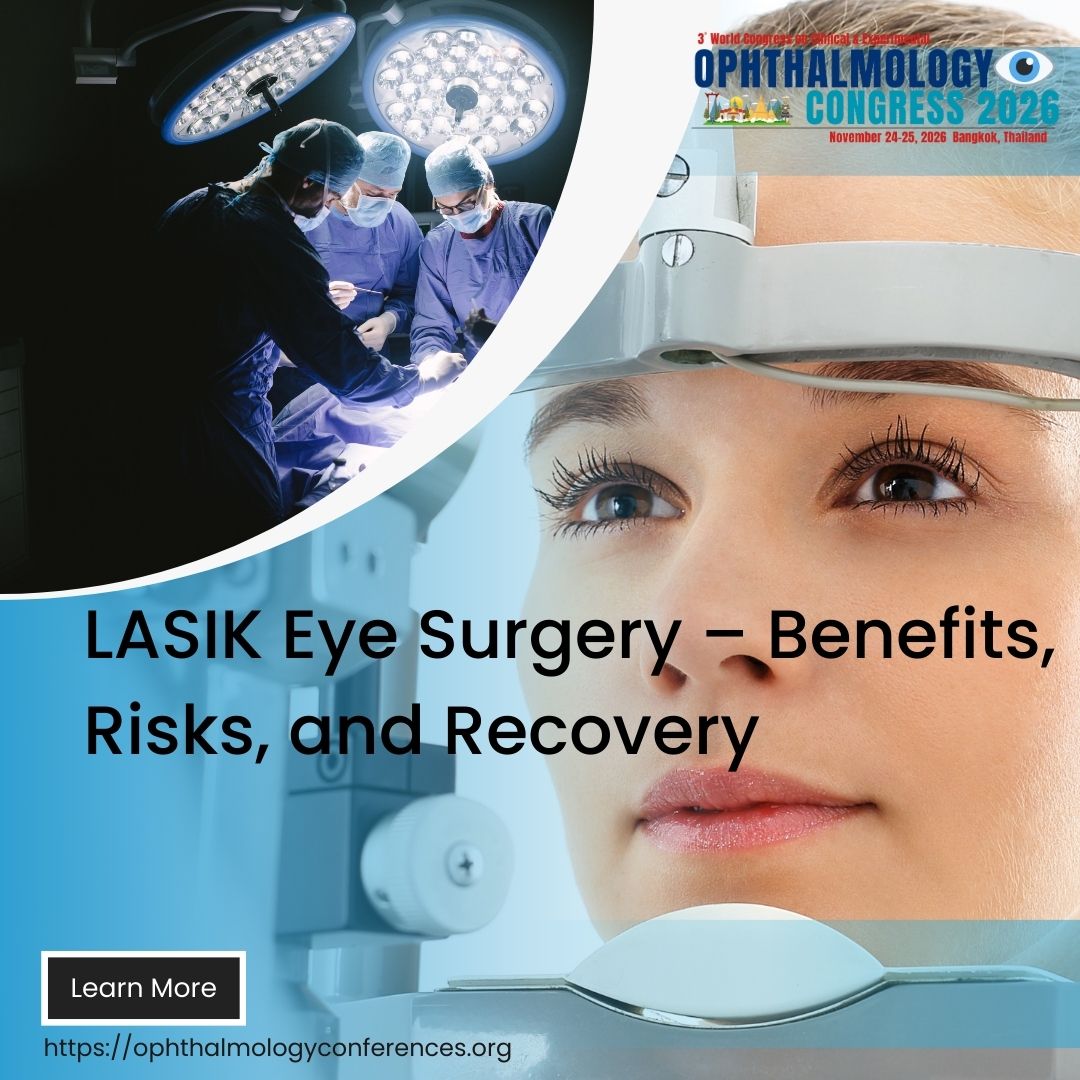
LASIK (Laser-Assisted In Situ Keratomileusis) is one of the most popular and frequently searched procedures in ophthalmology. It is a type of refractive surgery designed to correct common vision problems such as myopia, hyperopia, and astigmatism.
LASIK works by reshaping the cornea using a laser, allowing light to focus correctly on the retina. The procedure is quick, painless for most patients, and typically completed within 15 minutes for both eyes. Many patients notice improved vision within 24 hours.
The main advantages of LASIK include reduced dependence on glasses or contact lenses, long-lasting results, and a fast recovery time. However, like any surgical procedure, LASIK has potential risks such as dry eyes, glare, halos at night, and temporary vision fluctuations. Proper patient selection and pre-operative evaluation are crucial for successful outcomes.
Post-surgery care involves using prescribed eye drops, avoiding eye rubbing, and attending follow-up visits. Most patients can resume daily activities within a few days. Advances in femtosecond lasers and wavefront-guided LASIK have further improved safety and accuracy.
LASIK remains a leading choice for vision correction and continues to be a key focus of clinical research in ophthalmology.
Keywords: LASIK eye surgery, vision correction, refractive surgery, eye care
Recent Post