
Participate IN PERSON at BANGKOK, THAILAND or VIRTUALLY from your HOME or WORK

Speaker Details

  • Home
  • Ludovico Alisi
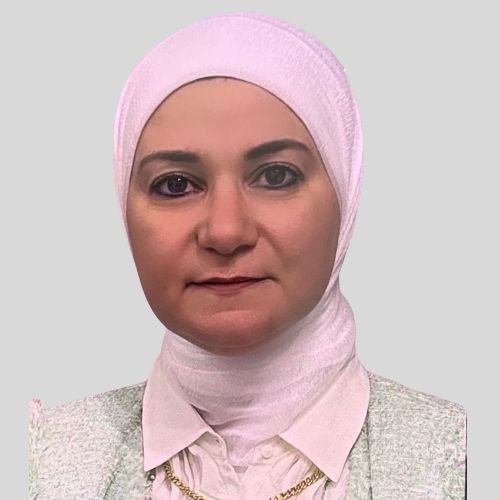
team member image

Ludovico Alisi

Sapienza University Di Roma

Ludovico Alisi, MD, is a PhD candidate in the program “Innovative Biotech Solutions for Sensory Organs Diseases” at Sapienza University of Rome. He completed his residency in ophthalmology at the same institution, with a research focus on glaucoma, ocular surface diseases, and ocular inflammation. Dr. Alisi has authored over 30 peer-reviewed publications and actively contributes to clinical research, including trials on thyroid eye disease. He also lectures in ophthalmic surgery and visual system diseases. His current projects explore the role of microRNAs and neurodegeneration in ocular pathologies.

Italy
Abstracts
2025
A Bayesian Meta-Analysis on the impact of Psychotropic Medications in Glaucoma Scientific Session: Glaucoma

Background Psychotropic drugs are widely used, yet their class-specific impact on glaucoma and intra-ocular pressure (IOP) remains unclear.
Methods A Bayesian random-effects meta-analysis pooled 22 observational studies including 293,228 psychotropic users. Glaucoma risk was summarized with pooled odds ratios (OR), and IOP change with Hedges g.
Results Selective serotonin re-uptake inhibitors (SSRIs) reduced the odds of open-angle glaucoma by 17 % (OR 0.832, 95 % CrI 0.753–0.921) and produced a modest, consistent IOP decrease (g = –0.332, 95 % CrI –0.487 to –0.179). Benzodiazepines (including Z-drugs) increased overall glaucoma risk by ≈55 % (OR 1.550, 95 % CrI 1.436–1.674), with low heterogeneity across studies. Topiramate exhibited the strongest association, tripling the probability of angle-closure glaucoma (OR 3.930, 95 % CrI 1.784–11.465). Tricyclics, SNRIs, bupropion and methylphenidate showed no significant effects, although evidence was limited and heterogeneous.
Conclusions SSRIs may confer an ocular-protective effect, whereas benzodiazepines—and especially topiramate—represent clinically meaningful triggers for angle closure. Routine anterior-segment evaluation and early ophthalmologic follow-up are advisable for patients commencing these higher-risk agents, particularly those with narrow angles. Prospective, molecule-specific studies incorporating dose and treatment duration are essential to refine these risk estimates and guide safer psychopharmacology.

Past Speakers

Speakers of The Club

team member image
Nermeen Mahmoud Badawi
Menofia University

team member image
Ahmed Elsayed
Department of Ophthalmology, Mountainhall Treatment Centre
team member image
Aamir Jalal Al-Mosawi
Baghdad Medical City and the National Training and Development Center

team member image
Wiam El Jai
Founder of Orthocare
team member image
B. Ouazzani Chahdi
University Mohammed V Rabat
team member image
Rhizlane Abdi
University Hospital Center of Beni Mellal
team member image
Rebecca Louis
Hospital Sultan Haji Ahmad Shah

team member image
Khaoula Zouari
National Center for Sports Medicine and Science
team member image
Mohammed Rifat
Swansea Bay University Health Board

team member image
Mohamed Ellakani
Watany eye hospital, Mansoura University

team member image
Marwa Ahmad Lutfi
Dubai Hospital – Dubai Health

vector vector vector
WhatsApp Click to Chat